October 4, 2026
The State of the Textile Recycling Industry in 2026: Change, Pressure and Opportunity
The textile recycling industry is entering one of the most important periods in its history.
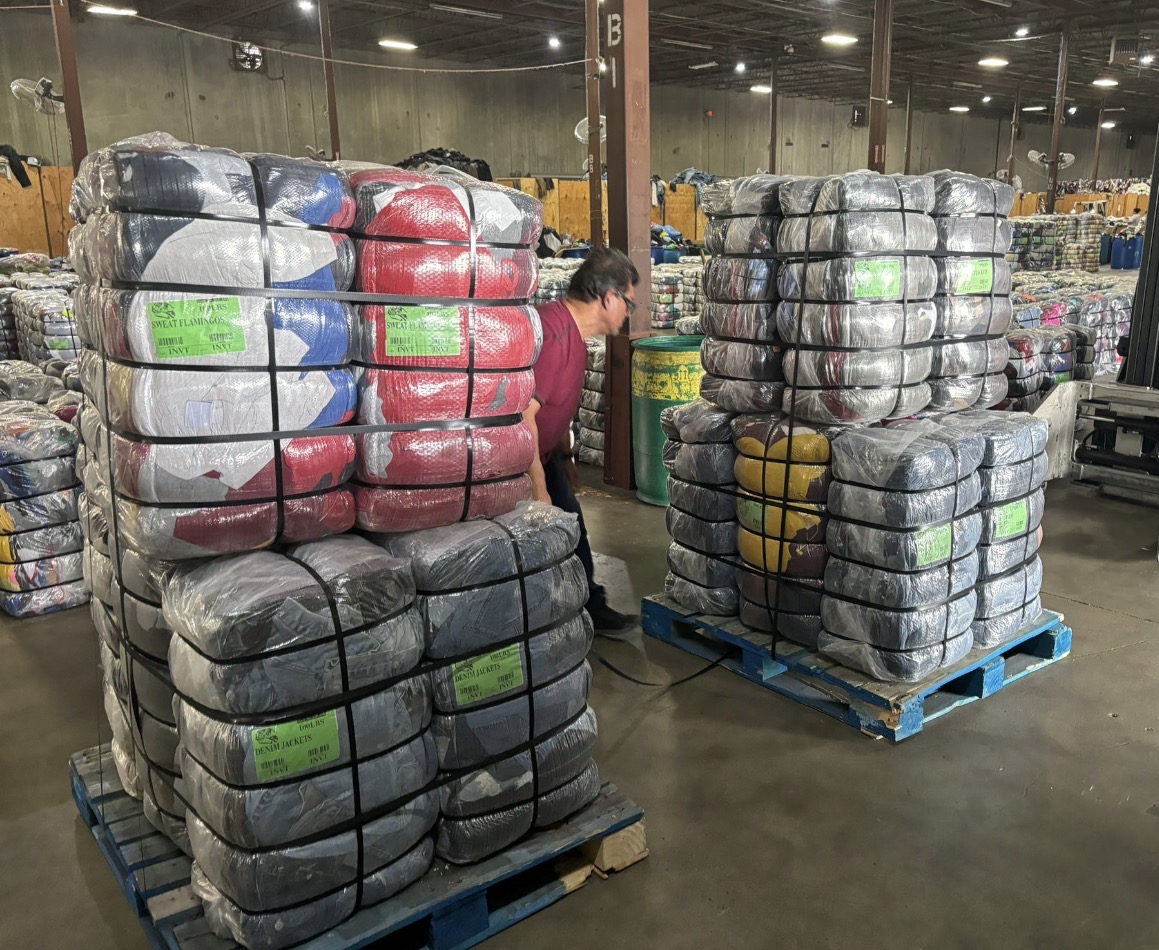
The textile recycling industry is entering one of the most important periods in its history.
For decades, the movement of used clothing has operated largely behind the scenes. Clothing is donated or collected, reusable goods are separated, material is graded, and products move through a global network of thrift stores, textile recyclers, graders, exporters, wiping-rag manufacturers and international secondhand markets.
Today, that system is receiving more attention than ever.
Growing textile consumption, changing secondhand markets, new environmental regulations and increased pressure to keep clothing out of landfills are forcing the industry to evolve. At the same time, these changes are creating significant opportunities for companies that understand how to move, sort and remarket textiles efficiently.
More Clothing Is Entering the Recycling Stream
One of the biggest challenges facing the industry is simple: volume.
Consumers continue to purchase large quantities of clothing, while product life cycles have become shorter. This creates enormous amounts of post-consumer textiles that eventually need somewhere to go.
The problem is that collecting clothing is only the first step.
A successful textile recovery system also needs sorting facilities, transportation, domestic and international buyers, reuse markets and recycling outlets capable of handling the many different grades of material being generated.
Europe provides a good example of how quickly this issue is becoming a priority. EU rules now require separate textile collection systems, and newer regulations are placing greater responsibility on producers for the eventual management of textile waste. European policymakers are also placing greater emphasis on professional sorting before used textiles are exported.
These changes reflect a broader reality across the industry: collecting more textiles only works if there are viable markets for what is collected.
Reuse Remains One of the Most Important Solutions
When people hear the term "textile recycling," they often picture clothing being mechanically shredded and turned into new fiber.
That technology is important and continues to develop, but textile recycling is much broader than fiber-to-fiber recycling.
A wearable shirt that can be used again does not necessarily need to be destroyed and remanufactured. Extending the life of that garment through reuse can preserve significantly more of its original value.
That is why grading remains such an important part of the textile recovery system.
A single load of used clothing can contain multiple potential products: premium reusable clothing, export-grade clothing, vintage pieces, shoes, wiping material, lower-grade textiles and material eventually destined for fiber recovery.
The ability to identify those different streams and connect each one with the correct market is what turns what could have become waste into usable inventory.
Even European textile policy increasingly reflects this hierarchy, prioritizing reuse before recycling when garments remain suitable for continued use.
The Global Secondhand Market Is Changing
International trade has always been a major part of the used-clothing industry.
Textiles collected in the United States and Europe frequently move through graders and exporters before reaching secondhand markets in Latin America, Africa, Asia and other regions.
However, international buyers are becoming increasingly selective.
Quality matters. Consistency matters. Packaging matters. Pricing matters.
A buyer receiving a container thousands of miles away needs confidence that the merchandise inside matches what was represented when the transaction was made.
At the same time, regulators and environmental organizations are paying closer attention to the difference between exporting genuinely reusable clothing and exporting unusable textile waste.
New European rules, for example, specifically require sorting before certain collected textiles can be classified as suitable for reuse and exported as such.
For responsible operators, this should ultimately strengthen the market. Better sorting, clearer product descriptions and stronger relationships between suppliers and buyers can create a healthier international trade system.
Fiber-to-Fiber Recycling Is Growing — But Scaling Remains Difficult
There is tremendous excitement surrounding technologies capable of turning old garments into new textile fibers.
Investment, research and commercial projects continue to move the industry closer to a truly circular textile system. During 2026, industry activity has continued around commercialization, new recycling technologies and partnerships between recyclers, textile manufacturers and fashion brands.
But technology alone will not solve the textile waste problem.
Garments can contain cotton, polyester, elastane, nylon, buttons, zippers, coatings and blended fibers. Separating these materials economically at enormous scale remains difficult.
That means the future of the industry will likely require multiple recovery channels working together:
Reuse when possible.
Export when appropriate.
Wiping-rag production for suitable cotton materials.
Fiber recycling when economically and technically practical.
Responsible disposal only when no viable recovery option exists.
There will not be one destination for every pound of textiles.
Sorting and Market Knowledge Are Becoming More Valuable
The modern textile recycler is increasingly becoming a logistics and information company as much as a recycling company.
Knowing where material should go is just as important as collecting it.
A grader may determine that one portion of a load belongs in an African export program, another fits a Latin American market, another contains desirable vintage merchandise and another should become industrial wiping cloth.
The companies capable of understanding these markets and consistently producing the specifications buyers require will become increasingly valuable as the industry grows.
This is especially important because more collection does not automatically mean more value.
Without sufficient sorting capacity and downstream buyers, additional collection can simply create larger inventories of material with nowhere to go.
Regulation Will Continue to Shape the Industry
Government involvement in textile recovery is increasing.
The European Union has already moved toward mandatory separate collection and extended producer responsibility systems for textiles. In the United States, textile EPR is also receiving increasing discussion as policymakers examine ways to address textile waste and improve end-of-life infrastructure.
For businesses throughout the textile supply chain, this could eventually mean greater requirements around traceability, reporting and documentation.
But it can also create opportunity.
More organized collection systems will require companies capable of processing the material those systems generate.
The infrastructure already built by textile collectors, thrift organizations, graders, recyclers and exporters may become even more important as governments and brands search for practical solutions.
Where Visitex Co. Fits In
At Visitex Co., we operate inside this global movement of reusable textiles every day.
We work to connect textile supply with the markets capable of giving that material its next useful life — whether that means reusable clothing, wholesale bales, graded merchandise or other recoverable textile products.
We believe the future of textile recycling will depend on stronger connections between every part of the supply chain.
Collectors need reliable outlets.
Thrift operators need solutions for salvage and excess inventory.
Graders need consistent raw material.
International buyers need dependable products and transparent suppliers.
And recyclers need downstream markets for material that cannot be reused as clothing.
The companies that connect those pieces efficiently will help determine how much textile material can ultimately be diverted from landfill.
The Industry Is Evolving
Textile recycling is no longer simply about collecting unwanted clothing.
It is becoming a sophisticated global system built around recovery, sorting, logistics, data, international trade and increasingly advanced recycling technology.
The challenges are significant, but so is the opportunity.
Billions of garments already exist in circulation. Every piece eventually reaches a point where its original owner no longer wants it.
The question is what happens next.
At Visitex Co., we believe the answer should be simple:
Keep textiles moving. Keep usable products in circulation. And find the highest and best next use for every pound possible.
— Visitex Co.
Connecting textile supply with reuse and recycling markets worldwide.